Figures, tables, and cross-references

To maintain professional and navigable documents, all key results must be appropriately labeled and referenced within the text.

Figures

For a chunk to be treated as a cross-referenceable figure, its label must start with the fig- prefix. You must also provide a fig-cap.

```{r}
#| label: fig-map
#| fig-cap: "Spatial distribution of marine protected areas."
#| eval: true
mtcars |>
  dplyr::mutate(cyl = factor(cyl)) |>
  ggplot2::ggplot(ggplot2::aes(x = wt, y = mpg, color = cyl)) +
  ggplot2::geom_point(size = 2.5, alpha = 0.8) +
  ggplot2::labs(
    title = "Fuel economy decreases as car weight increases",
    x = "Weight (1000 lbs)",
    y = "Miles per gallon",
    color = "Cylinders"
  )
```
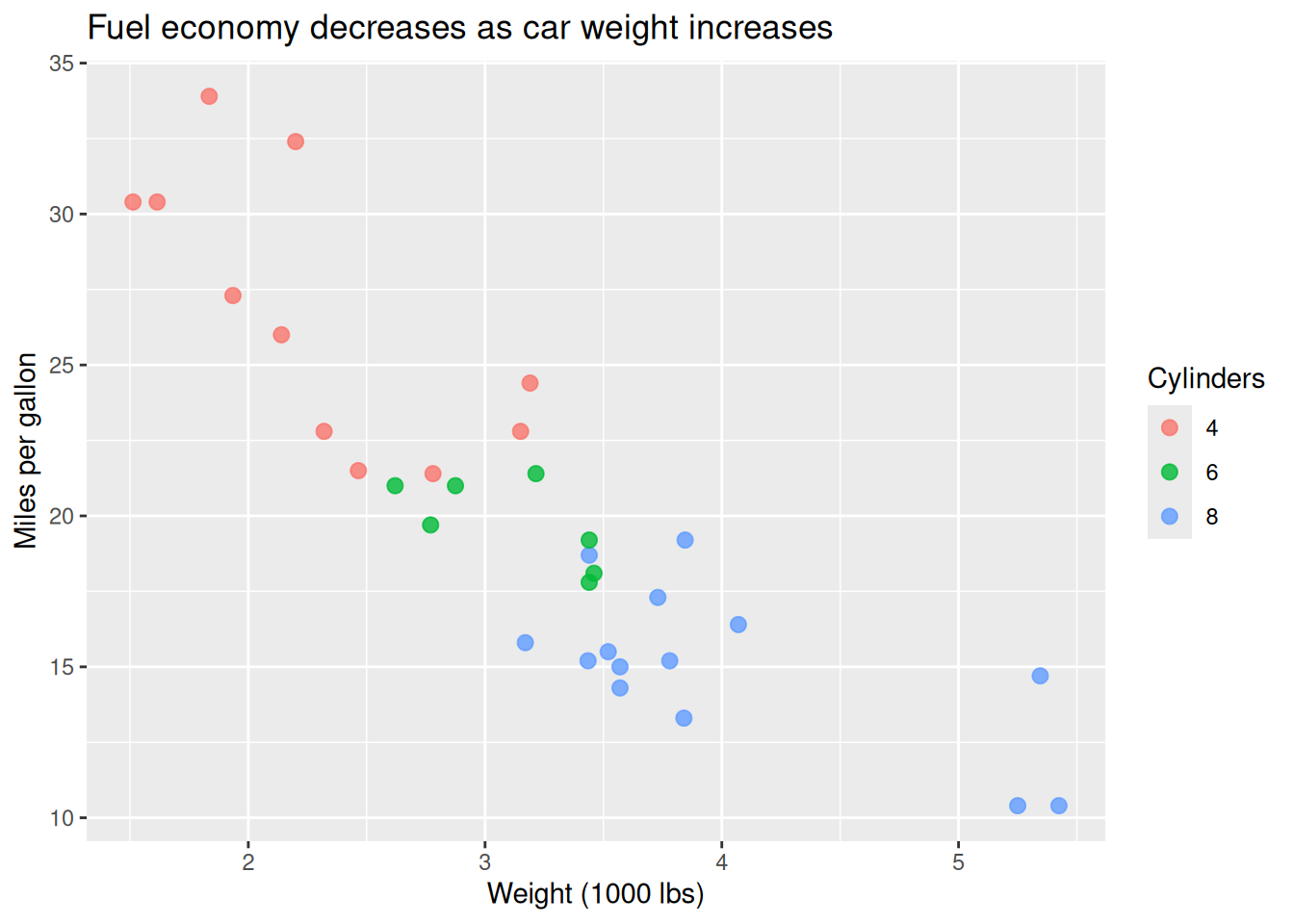
Figure 1: Spatial distribution of marine protected areas.

Tables

Table labels must start with the tbl- prefix. At emLab, we primarily use three packages for table generation, depending on the complexity required:

knitr::kable

Best for simple, clean tables with minimal formatting needs. It is lightweight and works perfectly with Quarto’s internal styling.

kableExtra

Use this when you need complex formatting, such as grouping rows, adding footnotes, or specific cell styling for PDF/HTML.

gt (Grammar of Tables)

The preferred modern choice for highly customized HTML tables. It provides a “ggplot-like” syntax for building tables piece-by-piece.

Exporting tables to LaTeX (.tex)

If you are collaborating on a paper in Overleaf or a standalone LaTeX document, you should export your tables to .tex files.

Using kableExtra:

Table 1: Summary statistics of model performance.
```{r}
#| label: tbl-summary
#| tbl-cap: "Summary statistics of model performance."
knitr::kable(summary_df, format = "latex", booktabs = TRUE) |>
  save_kable("tables/summary_table.tex")
```

Using gt:

```{r}
gt_table |>
  gtsave("tables/summary_table.tex")
```

Referencing in text

Reference these elements in your narrative using the @ symbol followed by the label.

  • “As shown in the figure labeled fig-map (Figure 1), the distribution is skewed…”
  • “The results in the table labeled tbl-summary (Table 1) indicate a significant trend…”